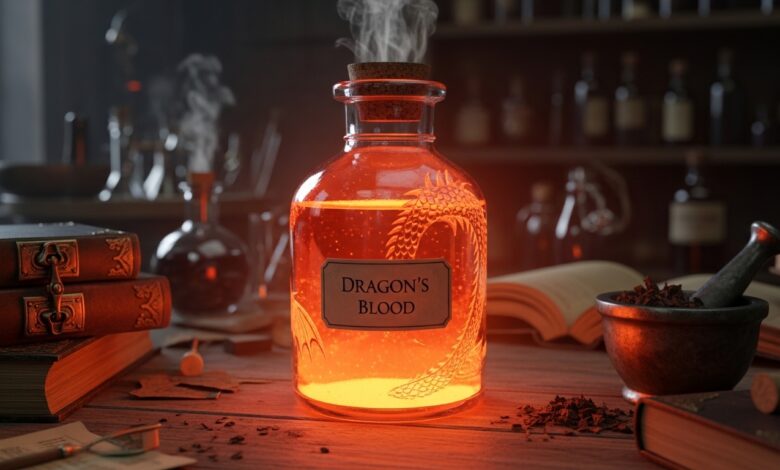
Dragons in Westeros and Essos are ancient, magical creatures. Martin describes them as “fire made flesh” — living embodiments of flame rather than ordinary animals. Their blood reflects this:
- Extreme Heat: When dragons are wounded, their blood is shown as boiling hot. In A Dance with Dragons (the fifth book), Drogon’s blood smokes and hisses when spilled in the fighting pit. Smoke rises from wounds, suggesting the blood is far hotter than human or animal blood. It can scald or burn people on contact, much like molten metal or lava.
- No Combustion: There’s no canonical evidence that dragon blood itself ignites or sustains fire. It doesn’t explode, spread flames, or act as fuel. If it did, battles involving dragons would be even more chaotic, with blood spraying and setting everything ablaze like napalm. Instead, the danger comes from the dragonfire they exhale, not their spilled blood.
- Visual Effects in the Shows: In House of the Dragon Season 2 (Battle at Rook’s Rest), Sunfyre’s blood sprays down and visibly burns or smokes on soldiers and the ground. Meleys’ neck smokes after Vhagar bites her. Showrunner Ryan Condal has explained that dragons are “fire made flesh,” comparing their landing to “nuclear bombs going off.” The blood’s heat is part of that intense, magical energy — it’s boiling, not burning.
This distinguishes dragon blood from wildfire, the green, explosive substance created by the Alchemists’ Guild in King’s Landing. Some fans theorize wildfire is derived from or mimics dragon blood (due to its extreme heat and persistence), but the books treat them as separate. Wildfire burns for days, melts stone and steel, and explodes on impact or shock. Dragon blood does not.
Connection to Targaryens and “Blood of the Dragon”
The Targaryen house words are “Fire and Blood”, and they claim descent from Old Valyria with “the blood of the dragon.” This leads to common misconceptions:
- Targaryens and Fire Resistance: Most Targaryens have a higher tolerance for heat than ordinary people (they can handle hot baths or environments better). However, they are not immune to fire. Many have died in flames:
- Aerion Brightflame drank wildfire and burned to death.
- Summerhall tragedy killed several Targaryens in a massive fire.
- Viserys Targaryen (Daenerys’ brother) died from molten gold.
- In House of the Dragon, Aegon II is badly burned by dragonfire from his brother Aemond’s dragon.
- Daenerys the Unburnt: Dany is the exception. She walks into a funeral pyre unharmed (in both books and show), emerges with hatched dragons, and later survives other fire-related events with minimal damage. Her blood (or the magic in it) seems tied to this miracle, but even she gets blisters from Drogon’s fire in some book descriptions. The show amplifies her fire resistance for dramatic effect.
Dragon blood doesn’t “burn” Targaryens in a special way — the real threat is dragonfire itself, which is magical and hotter than normal flames (capable of melting steel and cracking stone as dragons age).
Why the Confusion? Key Scenes and Fan Theories
- Injured Dragons in House of the Dragon: The smoking blood and burning soldiers create the impression of flammability. But it’s the heat causing thermal burns or steam, not ignition. Dragons’ scales protect them somewhat from each other’s fire, but eyes and softer areas can be damaged.
- Dragonfire vs. Blood: Dragonfire (dracarys in High Valyrian) is expelled from the gullet and grows hotter with the dragon’s age and size. Older dragons like Balerion or Vhagar produce devastating flames. Blood is internal — part of the “fire made flesh” biology — but not the same as the exhaled weapon.
- Wildfire Theories: Some forum discussions speculate that wildfire is concentrated or preserved dragon blood from ancient times. This fits the “after the dragons died, wildfire became the key to Targaryen power” line from the show. However, canon doesn’t confirm this; wildfire is a man-made alchemical substance, while dragon blood is biological/magical.
- Blood Magic: Hatching dragon eggs requires “fire and blood” — often involving sacrifice. Dany’s pyre combined fire with the blood of Mirri Maz Duur (and implicitly her own bloodline). This event links blood, fire, and dragons in a magical loop, but spilled dragon blood doesn’t replicate it.
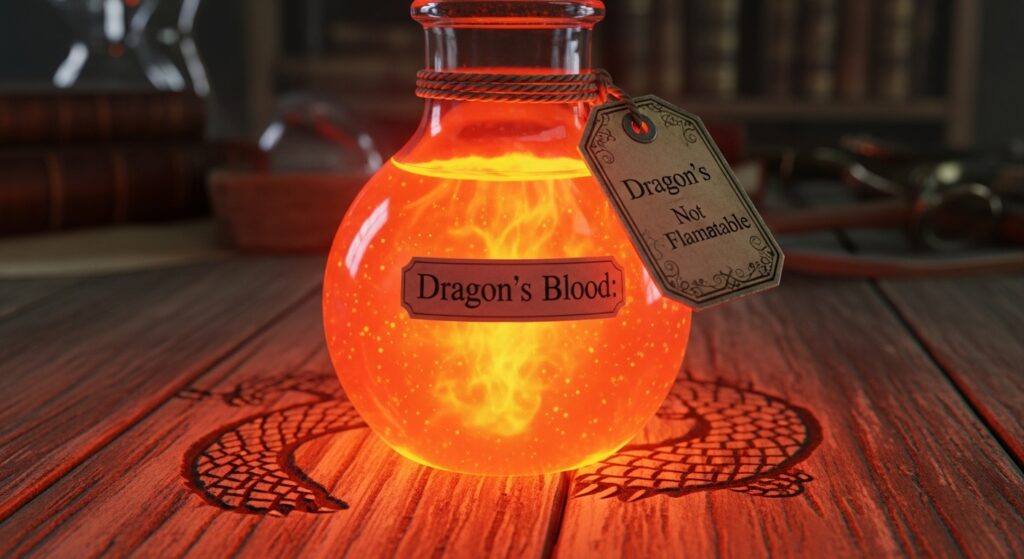
Does Dragon Blood Burn? Practical Implications in the Story
- In Battle: Spilled dragon blood can injure or kill ground troops through heat/scalding, but it doesn’t start secondary fires that spread uncontrollably.
- Dragon Biology: Dragons are somewhat resistant to their own fire (scales thicken with age), but they can injure each other with claws, teeth, or sufficiently hot flames (e.g., eyes blinded in battles during the Dance of the Dragons).
- Symbolic Meaning: “Fire and blood” represents conquest, passion, and destruction. Dragon blood embodies the raw, dangerous power of Valyria — hot enough to reshape the world, but not a literal accelerant.
In summary, dragon blood does not burn like a flammable substance. It is superheated, magical, and capable of causing severe burns through temperature alone, but it lacks the property of ignition or sustained combustion. The true “burning” power in the Game of Thrones world comes from dragonfire, not the blood itself. This fits the lore’s emphasis on dragons as elemental forces rather than simple beasts.
The distinction matters for understanding why certain characters survive (or don’t) encounters with dragons and why Daenerys’ “unburnt” status feels so exceptional. If you’re diving deeper into House of the Dragon battles or rereading the books, pay attention to descriptions of heat, smoke, and magic — they reveal dragons as living embodiments of fire, not creatures whose blood acts as fuel.