When Dragons Entered the Arena
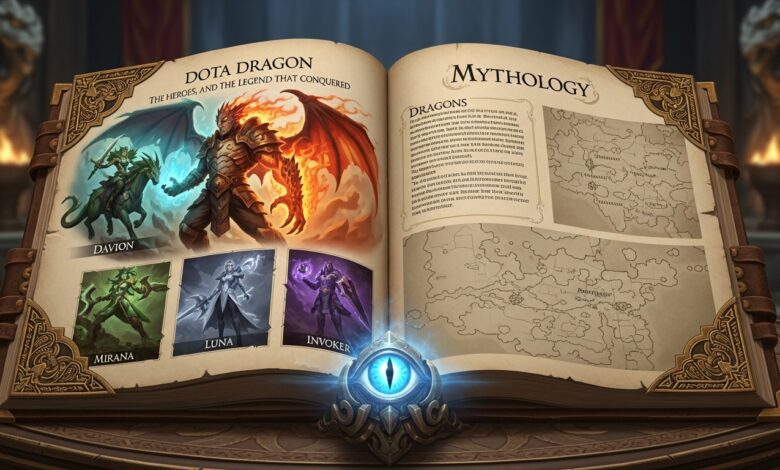
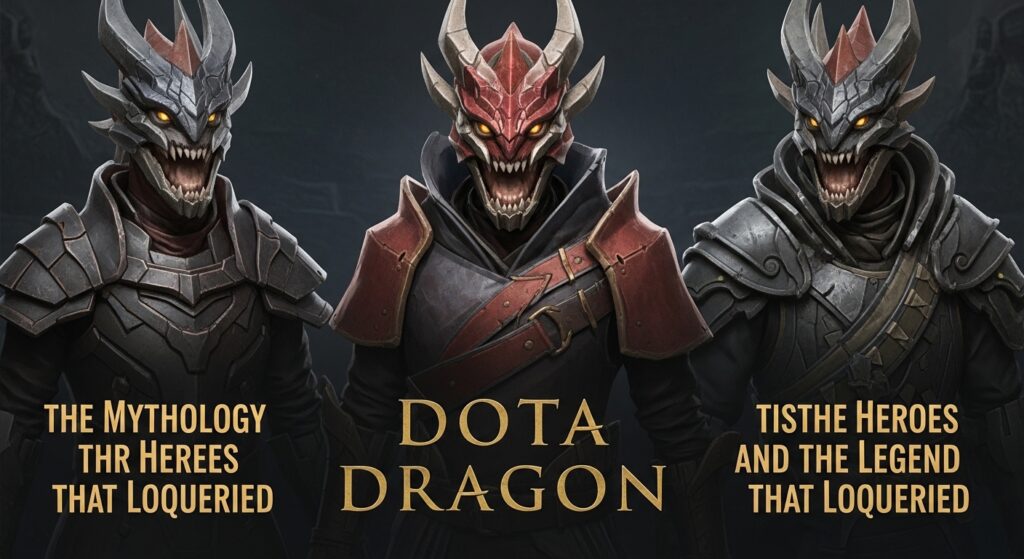
In the vast and complex universe of Dota 2, dragons have always held a special place of reverence and terror. These ancient creatures, with their primordial power and millennia of wisdom, represent the pinnacle of fantasy archetypes that Valve’s legendary MOBA has masterfully woven into its competitive tapestry. From the fiery breath of Dragon Knight to the cosmic scale of the Eldwurms, the concept of “Dota Dragon” has evolved from simple character design into a multimedia phenomenon that now spans gaming, animation, and global pop culture.
The journey of dragons within the Dota universe tells a story of creative evolution—a transformation from background lore to central narrative pillars that would eventually fuel one of Netflix’s most ambitious animated projects. This is the story of how dragons conquered not just the battlefield, but the hearts of millions worldwide.
The Dragon Knight: Davion’s Legacy
At the center of Dota’s dragon mythology stands Davion, the Dragon Knight—a hero whose very name has become synonymous with the game’s fantasy identity. In Dota 2’s competitive matches, Davion represents a versatile core hero capable of transitioning from early-game bruiser to late-game siege engine. His ultimate ability, Elder Dragon Form, transforms him into a ranged dragon capable of devastating area attacks, embodying the power fantasy that draws players to the character.
But Davion’s significance extends far beyond mechanics. He represents the classic fantasy archetype of the dragonslayer—yet with a twist that would prove crucial for narrative expansion. Unlike traditional dragon hunters who simply destroy, Davion’s lore hints at complexity, at a relationship with dragonkind that goes beyond simple enmity. This narrative seed, planted in hero descriptions and voice lines, would eventually blossom into the central conflict of the animated series.
The Dragon Knight’s popularity in competitive play—consistently ranking among Dota 2’s most picked strength heroes—demonstrated the appeal of dragon-themed content to the player base. Valve’s design team recognized this affinity, gradually expanding dragon-related cosmetics, items, and lore throughout the game’s decade-long evolution.
The Eldwurms: Cosmic Dragons of Primordial Power
While Davion represents the human-dragon interface, the Eldwurms embody dragon mythology at its most cosmic and terrifying. These ancient beings—Slyrak the Ember Eldwurm, Aethrak the Air Eldwurm, Lirrak the Water Eldwurm, Byssrak the Void Eldwurm, Indrak the Storm Eldwurm, Vahdrak the Chaos Eldwurm, and Orrak the Luminous Eldwurm—represent fundamental forces of the Dota universe’s creation.
The Eldwurms concept elevated Dota’s dragon lore from fantasy trope to philosophical depth. These aren’t mere monsters to slay; they’re primordial entities whose existence predates conventional reality. Their souls contain the fundamental aspects of existence, making them targets for beings seeking to remake reality itself. This cosmic scale would prove essential for the narrative ambitions of the animated adaptation.
In Dota 2’s gameplay, the Eldwurms appear as objectives in the game’s signature mode—killing them provides powerful buffs to the entire team. This mechanical integration ensures that every Dota player, regardless of lore interest, understands the significance of these draconic entities. The connection between gameplay objective and narrative weight creates a rare synergy where competitive and storytelling elements reinforce each other.
Dragon’s Blood: From Game to Global Phenomenon
The true explosion of “Dota Dragon” into mainstream consciousness occurred on March 25, 2021, when Netflix premiered Dota: Dragon’s Blood. This animated series, developed by showrunner Ashley Edward Miller and animated by Studio Mir, transformed the game’s fragmented dragon lore into cohesive, emotionally resonant narrative.
The series’ central premise—Davion’s soul merging with Slyrak during a battle against the demon Terrorblade—took the Dragon Knight’s ultimate ability and literalized it as existential crisis. No longer a temporary transformation for combat advantage, the dragon form became a permanent condition threatening Davion’s humanity. This narrative choice exemplified how the series honored game mechanics while creating genuine dramatic stakes.
Book One of the series introduced viewers to a world where dragons weren’t merely enemies or objectives, but complex entities with their own politics, history, and mortality. The Eldwurms, previously known only as game objectives, became characters with voices, motivations, and tragic fates. Slyrak’s sacrifice—merging with Davion to prevent Terrorblade from claiming his soul—established the series’ willingness to embrace genuine pathos.
The animation quality set new standards for video game adaptations. Studio Mir’s hand-drawn aesthetic brought dragons to life with fluid grace and terrifying scale. Battle sequences between Davion’s draconic form and cosmic threats delivered spectacle that rivaled theatrical animation. Critics consistently praised the visual presentation as “breathtaking” and “cinematic,” validating the creative team’s ambitious approach.
The Netflix Trilogy: A Complete Dragon Saga
Netflix’s commitment to the Dota Dragon concept manifested through three complete seasons that traced Davion’s evolution from simple dragon slayer to mythological figure:
Book One (March 2021) established the foundation—Davion’s transformation, his alliance with Princess Mirana, and the revelation of Terrorblade’s apocalyptic threat. The eight-episode season balanced world-building with character development, ensuring viewers understood both the cosmic stakes and the personal costs.
Book Two (January 2022) expanded scope dramatically. Davion’s struggle with his dual nature intensified as the dragon’s personality increasingly influenced his actions. Mirana’s return to the Helio Imperium introduced political intrigue that complicated the straightforward heroism of the first season. New dragons appeared, each with distinct personalities and relationships to the central conflict.
Book Three (August 2022) brought the saga to its definitive conclusion. The final eight episodes resolved the Terrorblade threat, revealed the true nature of the Eldwurms’ significance, and determined whether Davion could maintain his humanity while wielding draconic power. The finale’s philosophical questions—about whether creation requires destruction, whether saving reality demands reshaping it—elevated the series beyond simple adventure into genuine speculative fiction.
Across all three seasons, the dragon motif evolved from external threat to internal condition. Davion’s journey literalized the classic fantasy theme of fighting monsters without becoming them, but with the twist that his monster was also his greatest power source. This complexity distinguished Dota: Dragon’s Blood from conventional dragon narratives.
Marci: The Silent Dragon Guardian
Perhaps the series’ most significant contribution to Dota’s dragon lore was Marci—Mirana’s loyal bodyguard, created specifically for the animated series. This silent warrior, who communicated through expression and combat excellence rather than dialogue, became so beloved that Valve added her to Dota 2 as a playable hero in October 2021.
Marci’s inclusion represented unprecedented reverse adaptation. Previously, animated series based on games simply interpreted existing content; Dragon’s Blood created content that influenced the source material. Marci’s Dota 2 abilities—particularly her ultimate, Unleash, which transforms her into a whirlwind of martial devastation—reflect her animated portrayal while adding mechanical innovation to the game.
Her relationship with Mirana, depicted in the series as profound platonic devotion, provided emotional grounding amid the cosmic dragon conflicts. Marci’s willingness to face any danger for her princess—whether human soldiers or demonic entities—demonstrated that dragon-scale stakes could coexist with human-scale relationships.
Dragons in Competitive Play: From Lore to Strategy
The Dota Dragon phenomenon extends beyond narrative into the game’s competitive ecosystem. Multiple heroes incorporate draconic elements into their gameplay:
Jakiro, the Twin Head Dragon, combines ice and fire in a two-headed package that controls team fights through area denial.
Winter Wyvern channels arctic dragon power to both damage enemies and protect allies, creating strategic versatility.
Puck, while technically a faerie dragon, represents the mischievous, elusive aspects of draconic mythology.
Dragon Knight remains the quintessential dragon hero, his ultimate ability transforming him into different dragon types based on game progression.
These mechanical implementations ensure that dragon lore influences competitive decisions. Teams draft around dragon-form timings, itemize to counter draconic damage types, and coordinate around Eldwurm objectives that can determine match outcomes. The integration of mythology and mechanics represents Dota 2’s design excellence.
Cultural Impact and Mainstream Recognition
The Dota Dragon concept has transcended gaming to influence broader pop culture. The Netflix series introduced millions of viewers to Dota who had never played the game, expanding the franchise’s demographic reach significantly. Dragon-related merchandise—from Slyrak figurines to Davion cosplay guides—became commercially viable in ways previously impossible for a complex MOBA.
Critical recognition validated this expansion. The series achieved 75% approval on Rotten Tomatoes, with reviewers praising its accessibility for non-gamers while noting its faithfulness to source material. Animation industry professionals cited Studio Mir’s work as setting new standards for streaming content, particularly for video game adaptations historically plagued by quality issues.
The “Dota Dragon” has become shorthand for successful transmedia expansion—a case study in how competitive gaming properties can support narrative storytelling without compromising either element. Universities and industry conferences now reference the series when discussing adaptation theory and gaming’s cultural evolution.
The Future of Dota Dragon
As Dota 2 enters its second decade and the Netflix series concludes its trilogy, the dragon mythology continues evolving. Valve’s ongoing updates incorporate Dragon’s Blood concepts into game lore, creating feedback loops between competitive and narrative experiences. New cosmetics reference animated series events, while voice lines acknowledge developments from the show.
The concept of “Dota Dragon” now encompasses multiple meanings: the competitive hero, the cosmic entity, the animated protagonist, and the multimedia franchise symbol. This semantic richness demonstrates how effectively Valve and partners expanded a single character concept into comprehensive mythology.
Future expansions seem inevitable. The Eldwurms’ cosmic scale provides narrative room for prequels exploring their primordial origins. Davion’s ultimate fate in the series finale—simultaneously human, dragon, and something beyond either—suggests stories yet untold. The dragon blood continues flowing through Dota’s veins, awaiting new champions to awaken its power.
Conclusion: The Dragon’s Eternal Flight
From humble beginnings as a single hero in a complex MOBA, the Dota Dragon has ascended to cultural phenomenon status. Through competitive excellence, narrative ambition, and multimedia expansion, dragons have become synonymous with Dota’s identity. Davion’s journey from dragon slayer to dragon soul embodies the transformation possible when creative teams respect both gaming heritage and storytelling craft.
The Dota Dragon reminds us that even in an era dominated by battle royales and live-service games, there’s enduring appetite for epic fantasy, for stories where heroes wrestle with power and identity, for dragons that represent not merely destruction but transformation. The arena awaits, the dragons circle, and the blood calls to new champions.