The Crimson Covenant: Unveiling the Blood Hunter of Dungeons & Dragons
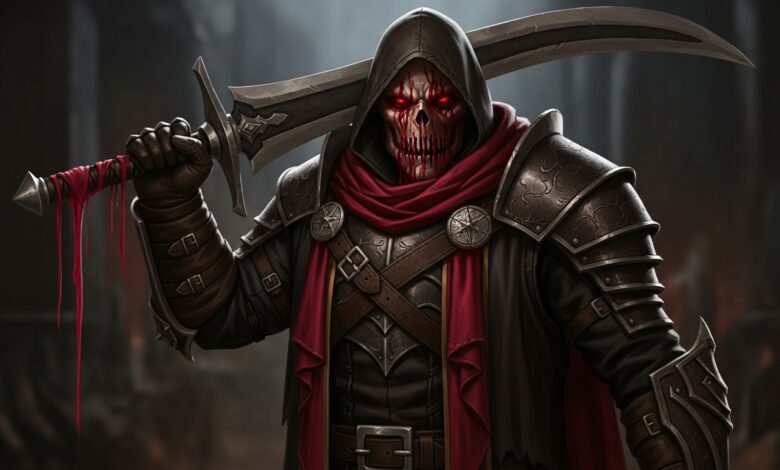
Dungeons & Dragons has long stood as the definitive tabletop role-playing game offering players countless ways to embody heroes villains and everything in between through its extensive class system. While the core rulebooks provide twelve official classes that cover most fantasy archetypes the true magic of this game lies in its adaptability and the passionate community that creates homebrew content. Among the most celebrated and widely adopted homebrew creations stands the Blood Hunter a dark and visceral class conceived by Matthew Mercer of Critical Role fame. This class has transcended its origins as a custom creation for a streaming campaign to become one of the most recognized and requested options in modern Dungeons & Dragons play representing the evolving relationship between official content and community innovation.
The Blood Hunter emerged from Mercer’s desire to create a class that embodied the monster hunter archetype popularized by franchises like The Witcher and Castlevania. Unlike the standard Ranger who focuses on wilderness survival and tracking the Blood Hunter represents a more desperate and dangerous approach to combating supernatural threats. These warriors recognize that conventional weapons and tactics often prove insufficient against creatures of darkness vampires werewolves fiends and aberrations that threaten civilization. In their pursuit of power to match these horrors Blood Hunters turn to hemocraft the dangerous practice of binding their own life essence to their weapons and abilities. This fundamental sacrifice defines everything about the class from its mechanics to its roleplaying implications creating a character who walks the razor’s edge between heroism and damnation.
The mechanical foundation of the Blood Hunter revolves around the Crimson Rite a feature that allows these warriors to imbue their weapons with elemental damage by sacrificing their own hit points. This creates a fascinating tactical dynamic where players must constantly weigh the benefits of increased damage output against the cost of reduced survivability. Unlike spellcasters who recover their resources through rest Blood Hunters fuel their abilities through their own vitality making every combat encounter a calculated risk. The class uses Intelligence as its primary mental stat for determining save difficulties and ability effectiveness reflecting the scholarly knowledge required to understand the supernatural threats they face and the precise techniques needed to combat them. This stat requirement distinguishes Blood Hunters from other martial classes and encourages builds that balance physical prowess with intellectual preparation.
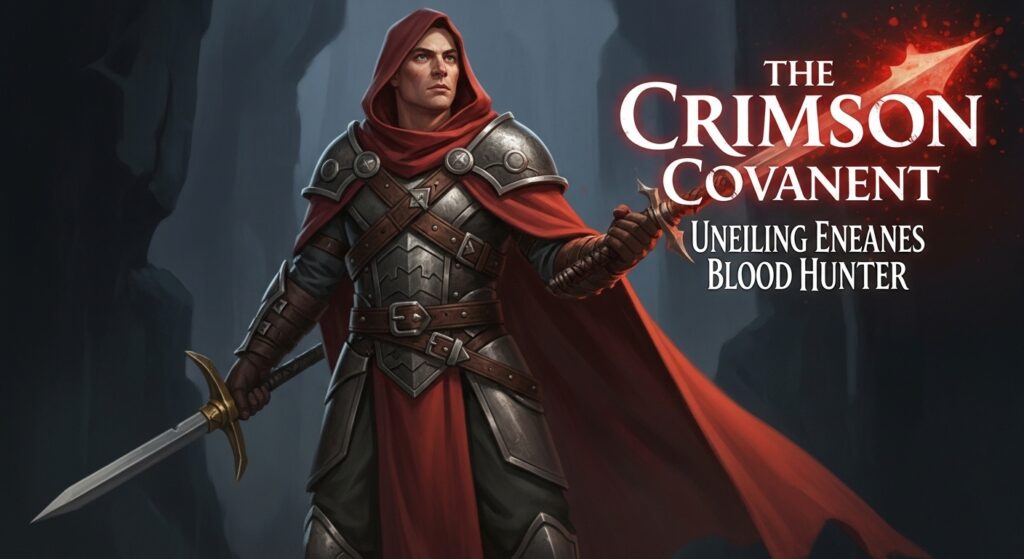
Blood Hunters select their specific approach to monster hunting through the choice of Orders specialized subclasses that define their particular techniques and philosophies. The Order of the Ghostslayer represents the most traditional monster hunters focusing on combating undead and other spectral threats through techniques that disrupt their unnatural existence. These Blood Hunters learn to channel positive energy through their rites and gain abilities that prevent creatures from escaping death through regeneration or resurrection. The Order of the Profane Soul takes a darker path forming pacts with otherworldly entities similar to Warlocks to gain magical power. These Blood Hunters acknowledge that fighting monsters sometimes requires becoming something monstrous themselves wielding cursed magic and eldritch invocations alongside their hemocraft. The Order of the Mutant embraces alchemical enhancement consuming dangerous concoctions that permanently alter their physiology to grant enhanced senses physical capabilities and even monstrous features like claws or darkvision.
The Order of the Lycan represents perhaps the most dramatically transformed Blood Hunter embracing the curse of lycanthropy and learning to control their bestial nature. Unlike victims who become mindless werewolves these warriors master their transformation gaining the ability to shift into hybrid forms that combine human intelligence with animal ferocity. This order walks the most precarious moral path as they literally become the monsters they hunt requiring constant vigilance to maintain control and prevent their predatory instincts from overwhelming their humanity. The Order of the Soul Forger focuses on binding spirits into equipment creating sentient weapons and armor that grow alongside their wielder. These Blood Hunters form symbiotic relationships with their gear treating their weapons as partners rather than tools and gaining unique abilities based on their chosen armaments. Each order provides distinct gameplay experiences while maintaining the core identity of sacrifice and dark power that defines the class.
The roleplaying implications of choosing a Blood Hunter extend far beyond combat mechanics into fundamental questions of morality motivation and identity. These characters have universally experienced trauma or loss that drove them to embrace hemocraft rather than pursuing safer paths to power. Perhaps a Blood Hunter watched their family slaughtered by vampires and swore vengeance regardless of personal cost. Another might have been the sole survivor of a werewolf attack choosing to master the curse rather than succumb to it. Some seek redemption for past failures while others pursue knowledge forbidden by conventional authorities. The constant drain of their own life force creates physical manifestations that players can describe pale skin dark circles under the eyes or visible veins that glow when rites activate. These details make Blood Hunters visually distinctive and immediately communicate their dangerous nature to other characters.
Blood Hunters occupy a complex social position within most campaign settings. Civilized society often views them with suspicion or outright hostility recognizing that their methods mirror those of the monsters they claim to fight. Religious institutions may condemn their blood magic as heresy while common folk fear their presence as an omen of supernatural danger. This creates rich opportunities for roleplaying as Blood Hunters navigate prejudice while pursuing their necessary work. Many operate as wandering hunters traveling between communities that need their specific skills but do not want them to remain. Others form loose organizations or secretive lodges where they can share knowledge and support without exposing themselves to public scrutiny. The class naturally generates story hooks as their presence often indicates that supernatural threats lurk nearby and their specialized knowledge makes them invaluable for certain adventures while complicating social encounters.
The evolution of the Blood Hunter from homebrew creation to widely recognized class illustrates the changing landscape of Dungeons & Dragons content creation. Initially released through the Dungeon Masters Guild platform the class underwent multiple revisions based on community feedback and playtesting data. Mercer released several versions refining mechanics and balancing power levels as thousands of players tested the class across countless campaigns. This iterative development process produced a more polished product than many official classes receive and demonstrated the potential for community-created content to meet professional standards. The Blood Hunter’s popularity eventually led to its inclusion in official licensed products and its recognition as a legitimate option at organized play events though it remains technically homebrew rather than core content.
Dungeon Masters integrating Blood Hunters into their campaigns should consider the tonal implications of allowing this class. The Blood Hunter works best in campaigns with darker themes where moral complexity and supernatural horror feature prominently. Gothic horror settings like Ravenloft or dark fantasy worlds provide natural homes for these characters while lighthearted campaigns might struggle to accommodate their grim nature. The class also requires careful consideration of healing resource management as their self-damaging mechanics can strain party resources if not properly supported. However the narrative opportunities provided by Blood Hunters often outweigh these mechanical considerations as their presence naturally generates mystery tension and moral questions that enrich campaign storytelling.